

Geography
Mongolia has a territory of 1,566,500 km² and is located on a vast mountainous plateau sloping from west to east, with 80% of its land at over 1,000 meters above sea level. Mongolia is a landlocked country between China and Russia. Its area is about three and a half times that of France.
The country is characterized by a great diversity of landscapes. There are three major mountain ranges, including the Altai Mountains. Numerous lakes and rivers cross the country. In the south, the Gobi Desert consists of cliffs and sand dunes. Finally, the steppe covers much of eastern Mongolia.
Mongolia has one of the most continental climates in the world: winter temperatures regularly drop to around −40°C in most regions, while summer temperatures can exceed 40°C in the Gobi Desert. Summers are warm, and winters are extremely cold, with winter temperatures reaching −40°C and summer temperatures often between 30°C and 40°C.
Climate
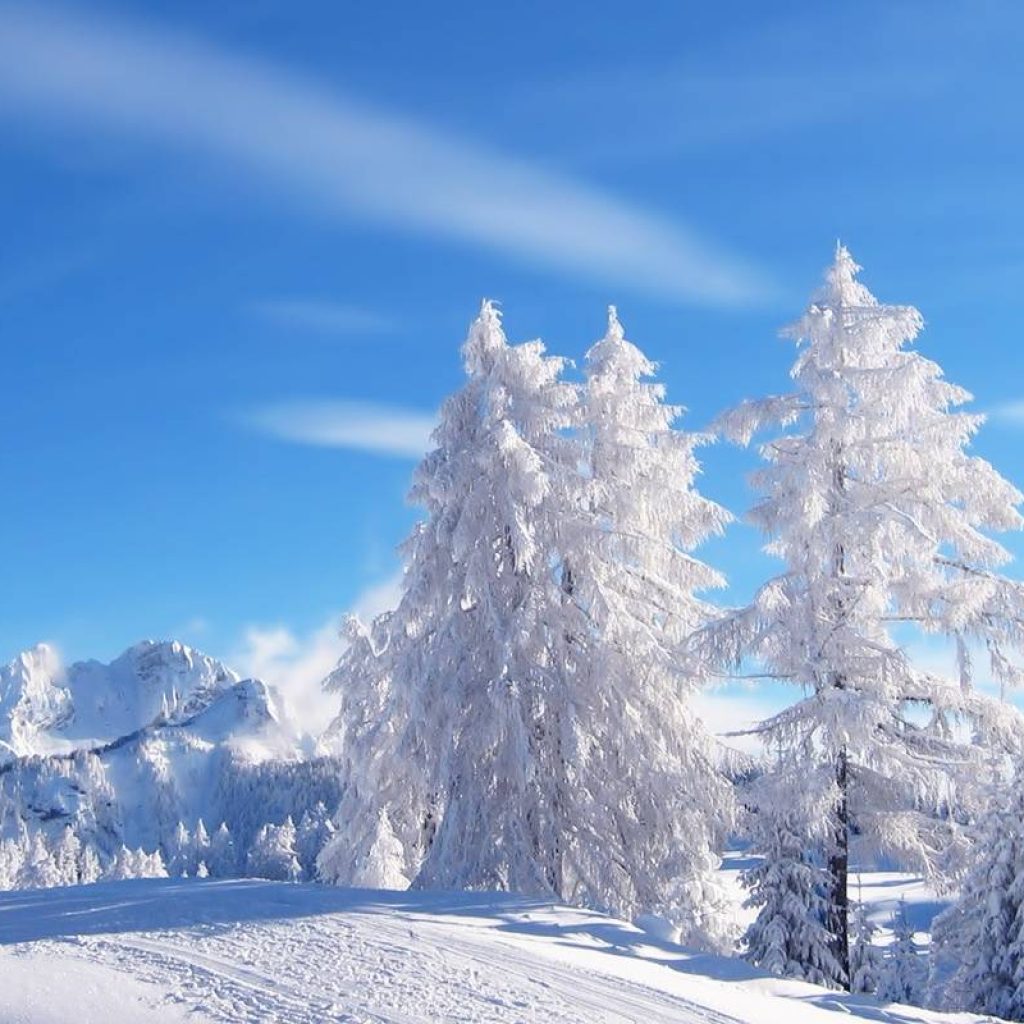
The country is also prone to dzud. White dzuds involve heavy snowfall that prevents access to pastures, while black dzuds are characterized by the lack of snow cover, which dehydrates livestock. These climatic conditions lead to inevitable livestock losses and pose challenges for people, making it difficult to predict herd growth. Ulaanbaatar, the capital, has the lowest average temperature of any capital city in the world (−2.4°C).
Overall, Mongolia receives very little precipitation: an annual average of 200–350 mm in the north, decreasing toward the south. The far south is occupied by the Gobi Desert, where some regions receive no precipitation for years. The country generally lies under a high-pressure system (anticyclone), resulting in very clear skies—an annual average of 257 cloudless days. For this reason, Mongolia is sometimes called the “Land of the Blue Sky.”
Time Difference Between France and Mongolia
The time difference is +6 hours in summer and +7 hours in winter.
Population and Language in Mongolia

With nearly 3 million inhabitants (including 1.4 million in Ulaanbaatar), Mongolia has the lowest population density in the world, about 1.7 people per km². Nearly 30% of the population are nomadic or semi-nomadic. The population is primarily of Mongolian origin, but there are also minorities of Kazakhs, Tuvans, Buryats, and Tungus. The population is young, with nearly two-thirds under the age of 30. Mongolian is the official language, but Russian, German, and English are increasingly used.
Religion in Mongolia

The main religion is Tibetan Buddhism (50%), followed by atheism (40%), shamanism or Christianity (6%), and Islam (4%).
Holidays in Mongolia
January 1: New Year
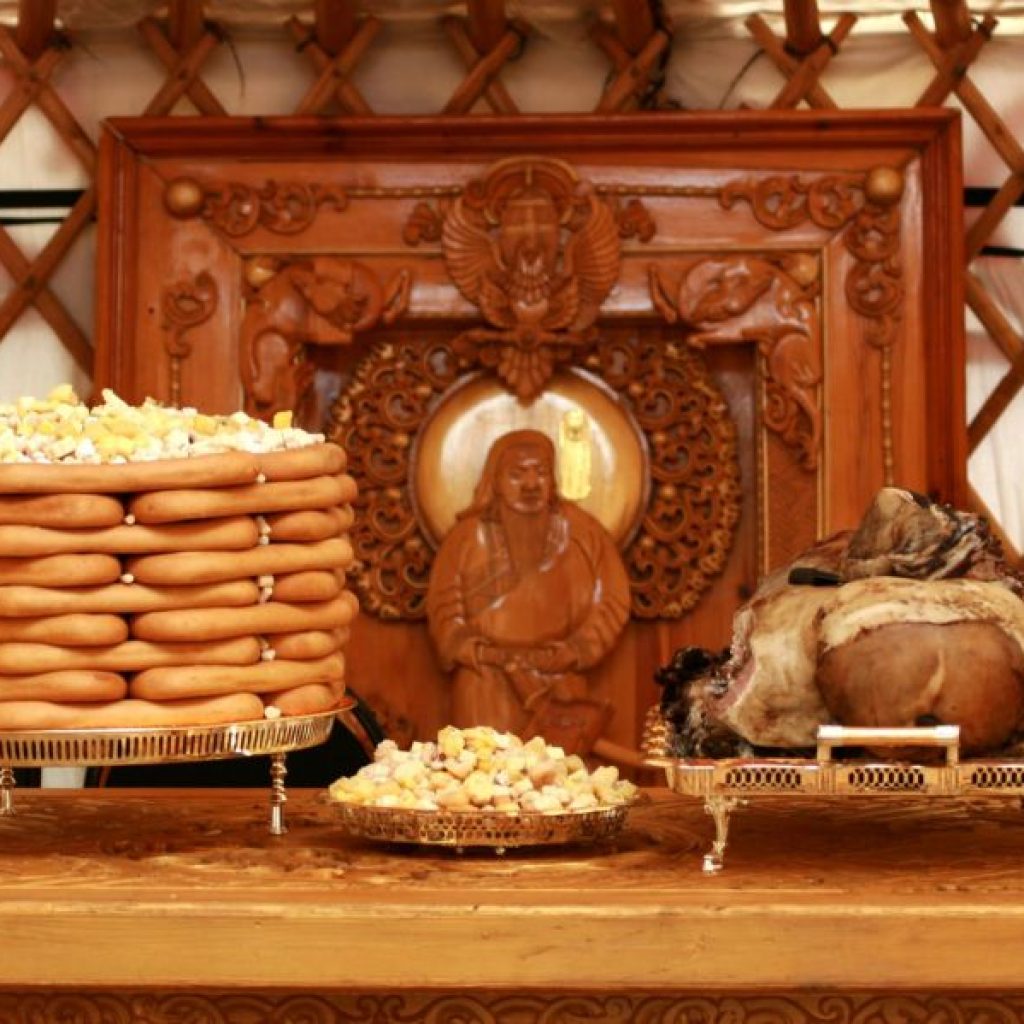
February: Lunar New Year or Tsagaan Sar
June 1: Children’s Day
July 11–13: National Holiday (Naadam Festival)
November 26: Independence Day


Comment (0)