
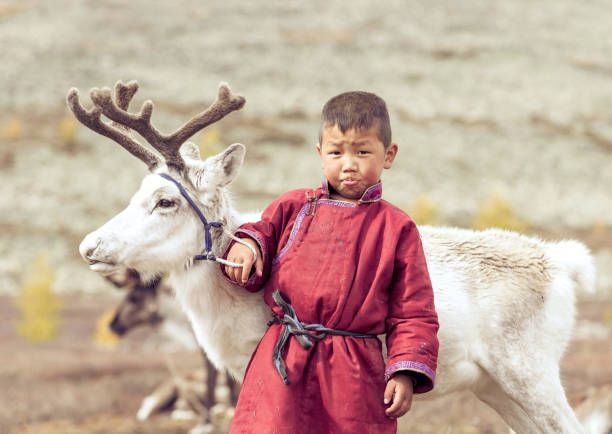
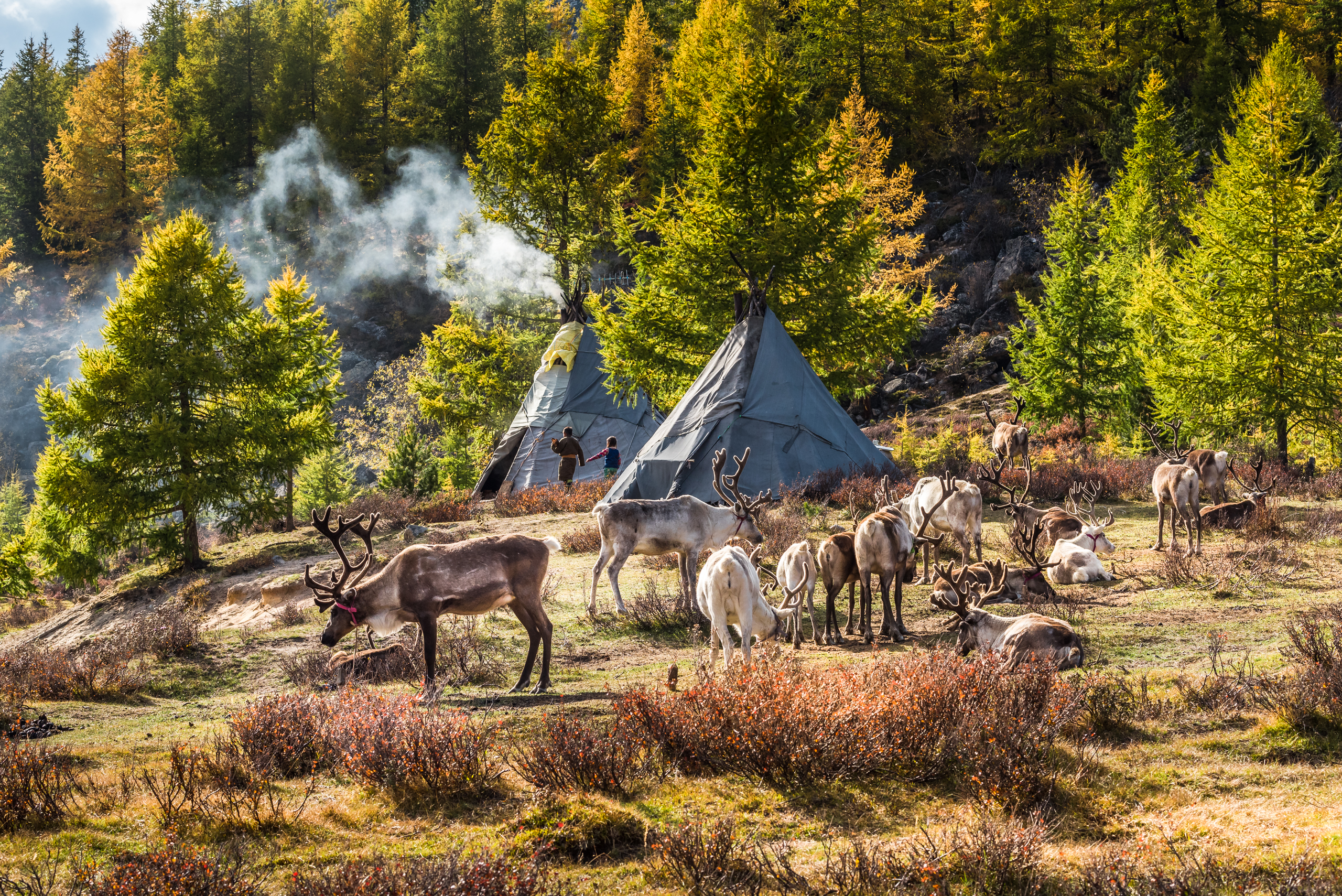
One of the last surviving nomadic societies, about half of Mongols live a pastoral lifestyle that has hardly changed since the time of Genghis Khan. The rest of the population mostly lives in Ulaanbaatar. However, their ties to nature and the steppes are disappearing every year, and the country has been enriched by foreign investments spreading since the 21st century. Change is clearly in the air, which is why now is the time to visit Mongolia before its traditions fade away!
A land with untouched nature, Mongolia may not be your typical destination, but for an adventurer seeking to escape society, it’s the perfect place!
The land of Genghis Khan’s footprints is wild and proud of its nomadic routes. Here, you’ll find villages full of gers (Mongolian yurts). You’ll see breathtaking sand dunes and endless blue skies. Here, you ride across the plains on horseback, leaving all your worries behind.
Mongolia is the destination to return to the essentials: here are 10 reasons to pack your bag and head to Mongolia.
Enjoy a getaway in serenity
As one of the least densely populated countries in the world, Mongolia is the place to reconnect with nature. Endless green expanses without a single tree, shaped by the shadows of clouds, lakes enveloped in epic silence. Occasionally, a ger appears in this beautiful panorama, one of the mobile homes of Mongolian herders, dotting the vast landscape. And when night falls, billions of stars of the Milky Way seem so close you could touch them! In short, it’s the perfect picture of a serene getaway.
Have the strangest breakfast in the world
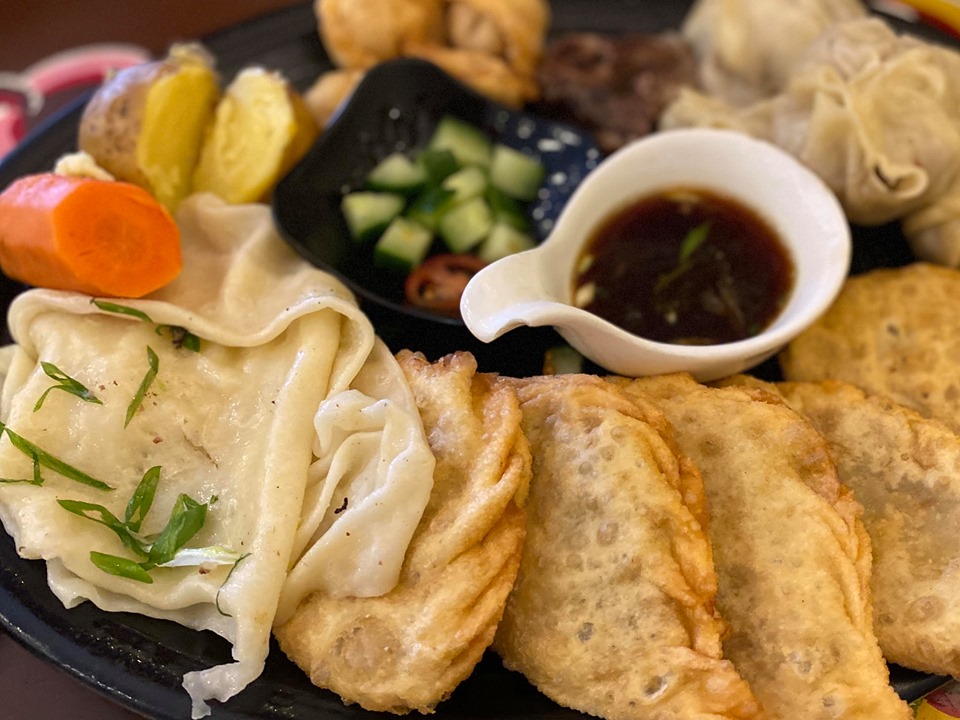
Boodog is an ancient cooking technique in the steppe, still used today when herders are far from home. An animal—usually a marmot—is cut into pieces and stuffed with river stones heated in a fire, creating a kind of pressure cooker. The fur is then removed, and the meat is cut and eaten. This is traditionally a male-only domain, which is hardly surprising—there’s no need for dishes. Khorkhog is a more refined version: a goat cooked with hot stones inside a milk churn.
Go in Search of Genghis Khan
Considered an imperialist under the Soviet regime, Mongolia’s fiercest warrior is now a brand in his own right, adorning energy drinks, cigars, vodka, and hotels. You might notice that Genghis Khan is sculpted at a height of 60 meters on the hills surrounding Ulaanbaatar. Near Nalaikh, a giant silver statue of the Great Khan shimmers for miles. Little is known about this warrior, who is believed to be buried in a secret location in Khentii. For a man who founded an empire stretching from Asia to Venice, the Great Khan has left almost no physical legacy.
Admire the Mongolian warriors
Eurasia was terrified by the Mongols’ skill and power 800 years ago. Every summer, Mongols gather for the Naadam festivals to participate in the “three manly games”: horse riding, wrestling, and archery. Children under ten run 20 km races, and wrestlers of all sizes compete. The largest Naadam festival takes place each July at Ulaanbaatar’s national stadium, but the rural competitions are the true bastions of the steppe tradition.
Ulaanbaatar
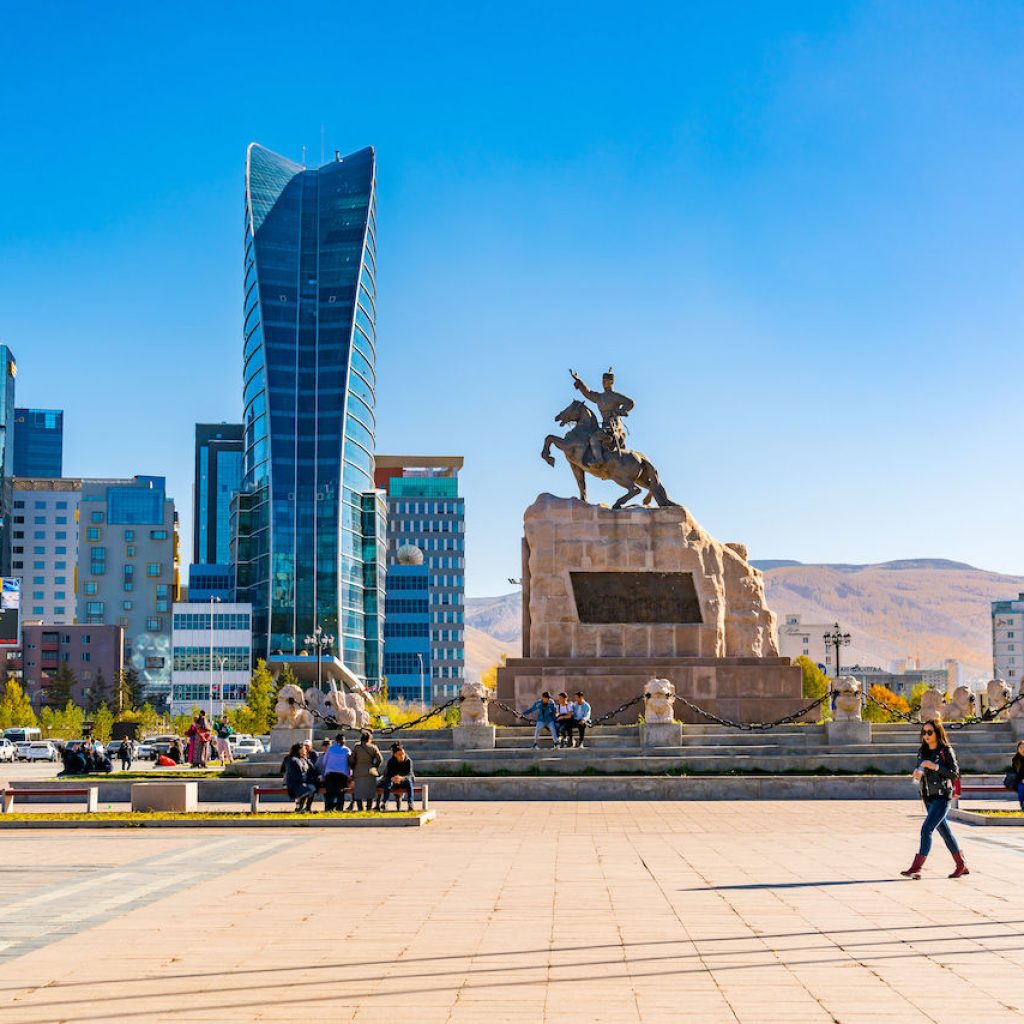
Ulaanbaatar has become the only true city in Mongolia. Visited mainly during the brief summer season, it has a curious, weathered charm: a mix of crumbling Soviet-era apartment blocks, ghetto areas, and Chinese-built skyscrapers. Recently, a café culture has emerged, complemented by excellent restaurants, shops selling cashmere products, a Beatles monument, and, surprisingly, one of the most beautiful LEGO stores outside Denmark. Culturally, the dilapidated Choijin Lama Temple features macabre murals depicting Buddhist hell.
A spiritual journey between blue and green
Erdene Zuu Khiid Monastery, the most important Buddhist site in Mongolia, was built from the ruins of Karakhorin, the capital of Genghis Khan. Yet shamanic traditions are still evident on the surrounding rocks and hills, where piles of stones called ovoos are decorated with horse skulls and strips of blue cloth, symbolizing the sky worship cult.
Glamping in Mongolia
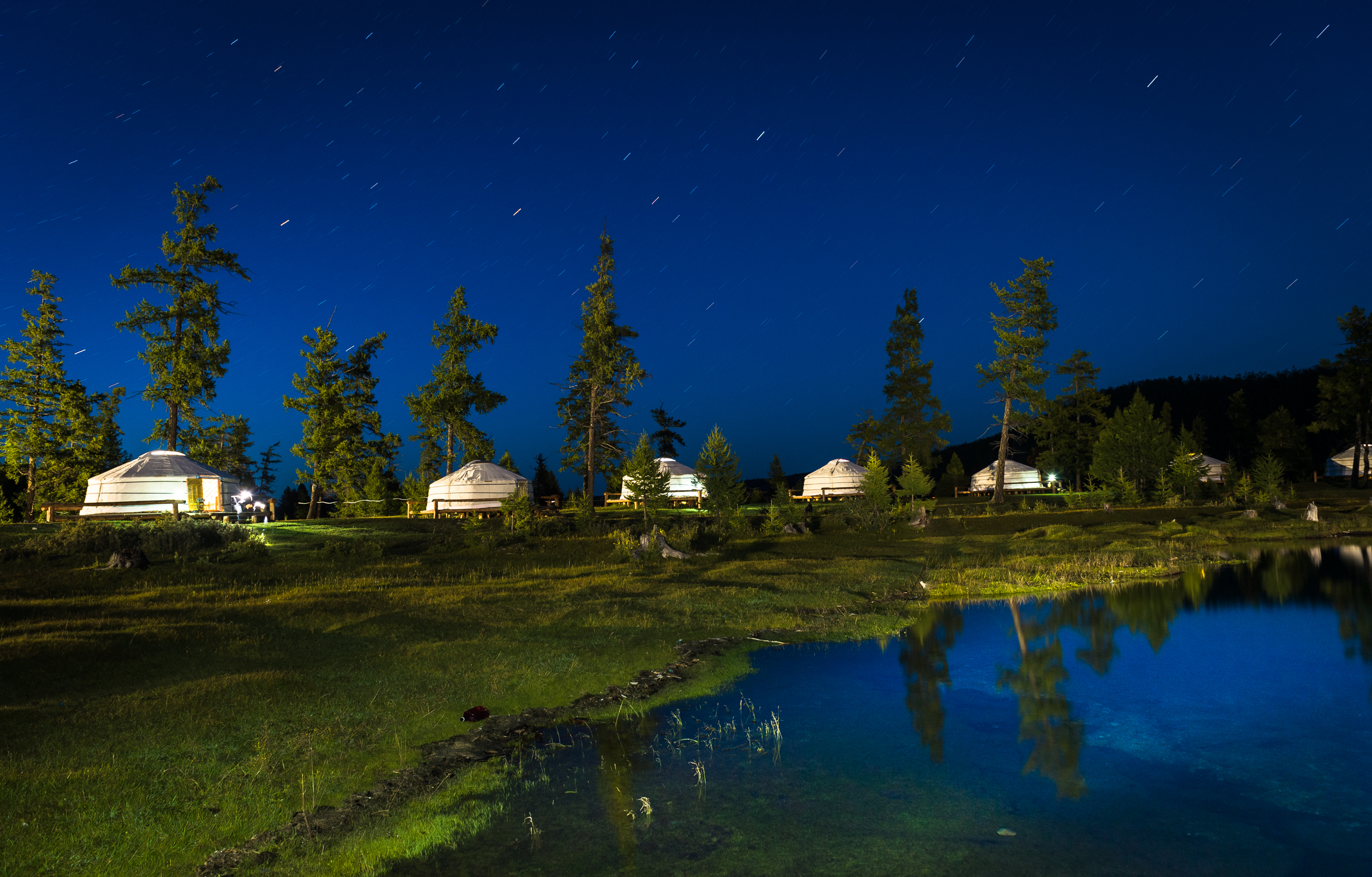
Sleeping in a ger (yurt) is an experience not to be missed. Increasingly, sustainable tour operators offer glamping (luxury camping) options. It is thus possible to rent a yurt located in wild, pristine sites, equipped with eco-showers, hand-painted beds with thick yak wool blankets, and even a sauna!
In the footsteps of dinosaurs
At Ulaanbaatar’s magnificent Natural History Museum, a huge pair of fossilized arms, tipped with 30 cm claws, is mounted on the wall. Known as the “Terrible Hand,” this monster remained a great unsolved mystery until recently. The fossils were discovered in the 1960s in the Gobi Desert in southern Mongolia, with a complete skeleton only found in 2014. Many of the world’s best dinosaur discoveries come from the Gobi, and several tour operators take visitors to excavation sites, notably the Flaming Cliffs at Bayanzag, where dinosaur eggs were first uncovered in the 1920s.
Taste horse milk
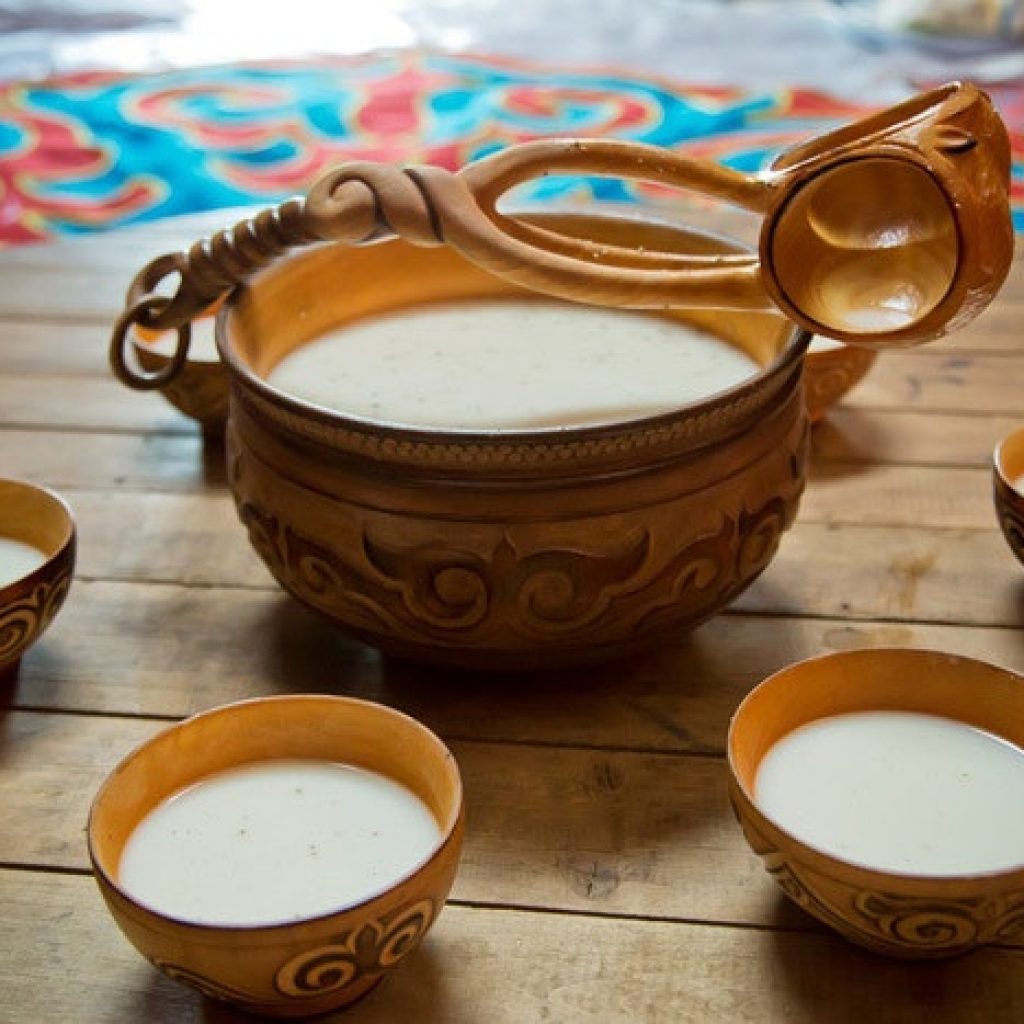
In the countryside, little girls dressed in frilly dresses sit by the roadside to sell plastic bottles of airag—horse milk left to ferment in a leather bag until it becomes alcoholic. It has a unique taste that locals absolutely love.
Practical administrative steps
Mongolia’s open-door policy encourages the development of tourism. A visa is required to stay, but obtaining one as a tourist is made easier by the authorities. Moreover, the electronic Tourist e-Visa system for Mongolia is now fully operational and costs just under €50.
For more information about visa applications, visit www.evisa.mn.
Mongolia now has greater capacity to welcome even more tourists. There are hundreds of hotels, tourist complexes, and even ger-camping sites.
Tourism revenue is becoming increasingly important, employing a significant workforce. Mongolia is a member of the World Tourism Organization, and some of its reserves are even protected by UNESCO.
So, ready to travel to Mongolia?


Comment (0)