
- Discover the Country
Geography:
Mongolia is a landlocked country located between China and Russia. Its area is about 3.5 times that of France. The country is characterized by a great diversity of landscapes. You can find three mountain ranges, including the Altai Mountains. Numerous lakes and rivers cross the country. In the south, the Gobi Desert consists of cliffs and sand dunes. Finally, the steppe covers much of eastern Mongolia.
Time Difference France–Mongolia:
The time difference is +6 hours in summer and +7 hours in winter.
Population and Language in Mongolia:
With nearly 3 million inhabitants (including 1.4 million in Ulaanbaatar), Mongolia has the lowest population density in the world, at 1.7 people per km². About 30% of the population are nomadic or semi-nomadic. The population is mainly of Mongolian origin, but there are also minorities of Kazakhs, Tuvans, Buryats, and Tungusic peoples. The population is young, with nearly two-thirds under 30 years old. Mongolian is the official language, but Russian, German, and English are increasingly used.
Religion in Mongolia
The main religion is Tibetan Buddhism (50%), followed by atheism (40%), shamanism or Christianity (6%), and Islam (4%).
Holidays and Public Holidays in Mongolia
January 1: New Year
February: Lunar New Year or Tsagaan Sar
June 1: Children’s Day
July 11–13: National Holiday (Naadam Festival)
November 26: Independence Day
2. Practical Information
If you are planning a holiday in Mongolia but are unsure when to go, how to get there, or what to pack, here are our essential tips and practical information to help you prepare for your stay. Feel free to contact us if you need more information.
Accommodation in Mongolia
At the Hotel: Check-in to your room (in the city) is usually from 2:00 PM on the day of arrival, and check-out is at 12:00 PM at the latest on the day of departure, sometimes even by 10:00 AM. Using the room outside these hours usually incurs an extra fee, which is not included in our rates. In Asia, a triple room is generally a double room with an extra bed. Upon arrival, some hotels may request a credit card imprint to guarantee possible additional personal expenses (minibar, massages, etc.).
Transportation:
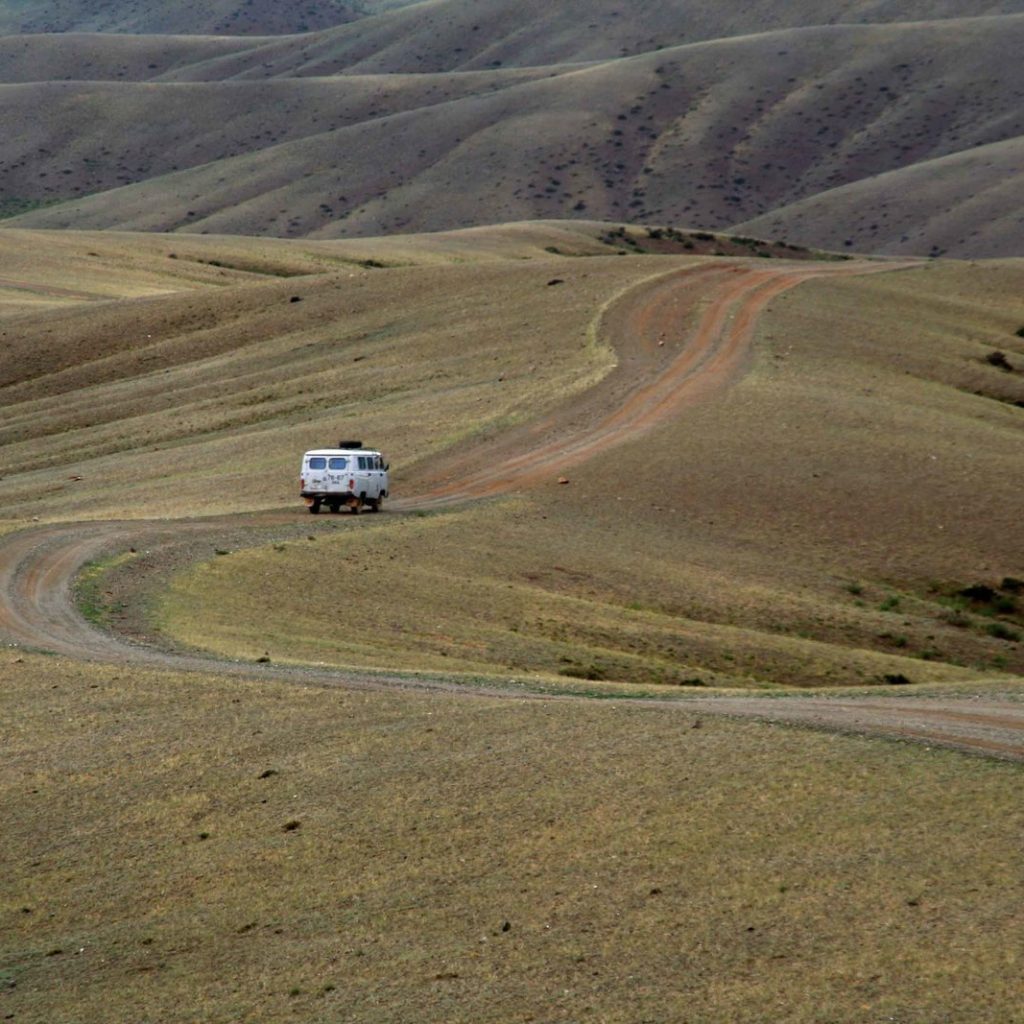
If driving on the right side of the road, most travel takes place on long, sometimes bumpy tracks. Vehicles are most often of Soviet make—especially in the Altai region—or sometimes Japanese. Travel across the steppe is always done in a local 4×4 minibus. For safety reasons, it is not possible to rent a car without a driver in Mongolia.
Shopping:
Handicrafts are central to Mongolian culture, and you can easily find artworks, wooden sculptures, watercolors and paintings, reproduction books and photographs, leather goods and accessories, silver jewelry, traditional clothing and trekking-style wear, cashmere and camel wool scarves and blankets, felt tapestries and rugs, furs, and more.
Communications:
In Ulaanbaatar, public phones are readily available. However, for international calls, you will need to use the central post office, major hotels, or private lines.
- To call France from Mongolia, dial 00 33 followed by the recipient’s number.
- To call Mongolia from France, dial 00 976, followed by the city or region code (for example, 1 for Ulaanbaatar) and the recipient’s number.
Outside Ulaanbaatar, telephone coverage is generally good but can be unreliable in the southern Gobi region.
The Ulaanbaatar Central Post Office is open from 9:00 AM to 7:00 PM and until 9:00 PM in summer. It is preferable to buy stamps and post letters directly at the Ulaanbaatar post office rather than at hotels or public mailboxes. Delivery usually takes one to two weeks.
Tipping
In Mongolia, tipping is widely practiced and expected by guides and drivers. It should not be seen as an obligation but as a reward for services rendered. The amount and whether to tip are at your discretion. It is recommended to prepare two separate envelopes, one for the guide and one for the driver.
Health
No vaccinations are mandatory, but it is recommended to be up to date on DTP (diphtheria-tetanus-polio), typhoid, and hepatitis A and B vaccines. Bring your personal medications and broad-spectrum antibiotics, as well as a first-aid kit and supplies to treat sore throats and digestive issues.
The climate is healthy and the food balanced, but medical coverage is almost non-existent in the steppe, so it is advised to take out an assistance and repatriation package.
Money in Mongolia
The currency is the Tugrik (MNT). We strongly recommend bringing US dollars or euros and exchanging them into small bills upon arrival in the city for expenses outside of Ulaanbaatar, especially at small markets. Credit cards are accepted at most major hotels in the capital.
Photography
You can find batteries and memory cards in the capital, but it is recommended to bring your own equipment. It is best to ask for permission from people you wish to photograph.
3. Guide culturel
Cultural Guide – Traditions and Customs in Mongolia
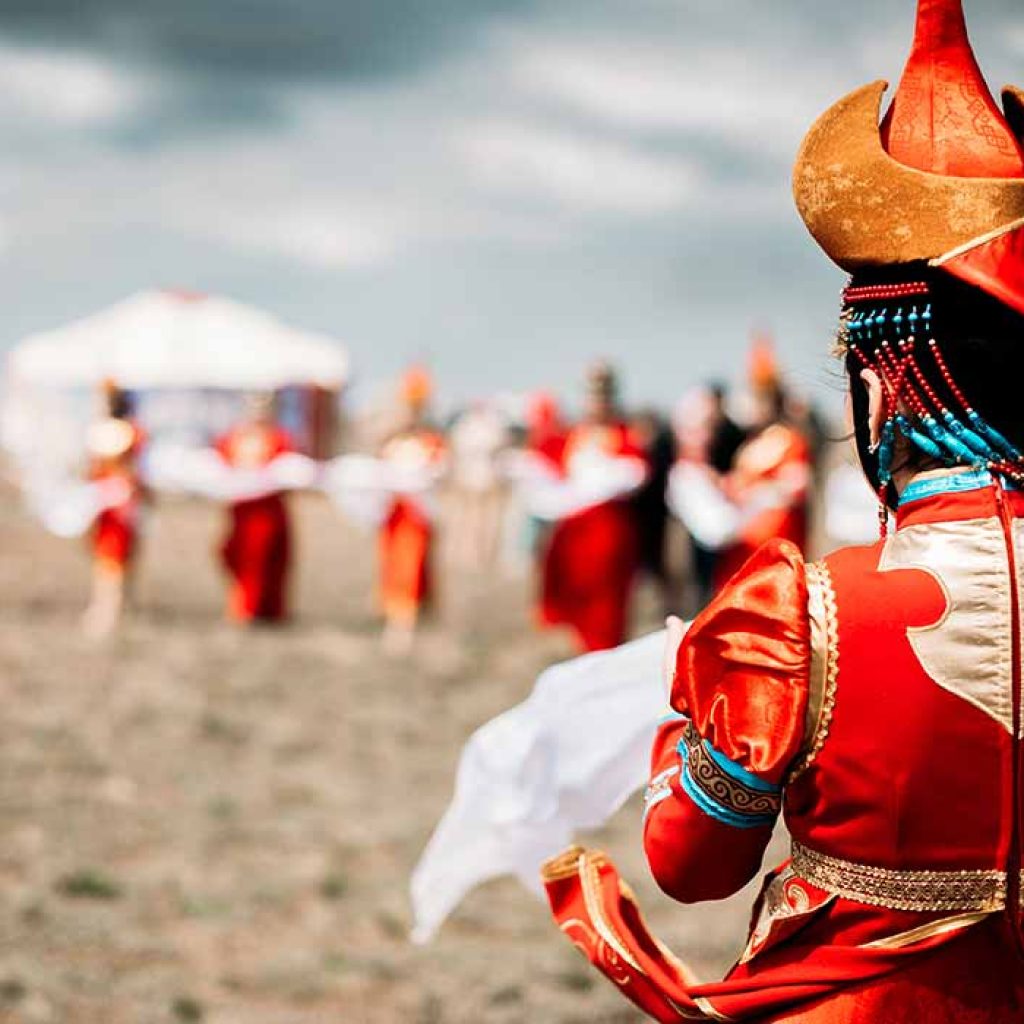
Important Rules of Mongolian Culture
-It is important to be aware of some basic cultural customs in Mongolia:
- Avoid walking in front of elderly people.
- It is very impolite to touch someone else’s hat.
- Do not stand at the entrance of a ger (yurt); enter and position yourself on the left.
- Inside the ger, move in a clockwise direction.
- It is considered impolite to refuse a gift, a drink, or a dish.
- Inside the ger, do not lean on the two central posts that support the roof (these have religious significance).
Mongolian Cuisine
Mongolian gastronomy mainly relies on two types of food: dairy products (called “white foods,” mainly consumed in summer) and meat (called “red food,” mainly consumed in winter, often boiled). This diet may sometimes seem austere to travelers.
Meals are important social occasions, and tea plays a central role. Note that salt and milk are used more than tea leaves themselves, and cheese is often melted or leftovers are reheated. Milk, which is never consumed raw, is used to prepare over 300 different recipes as well as two alcoholic beverages: airag, produced by fermentation, and koumiss, produced by distillation.
When to Go?
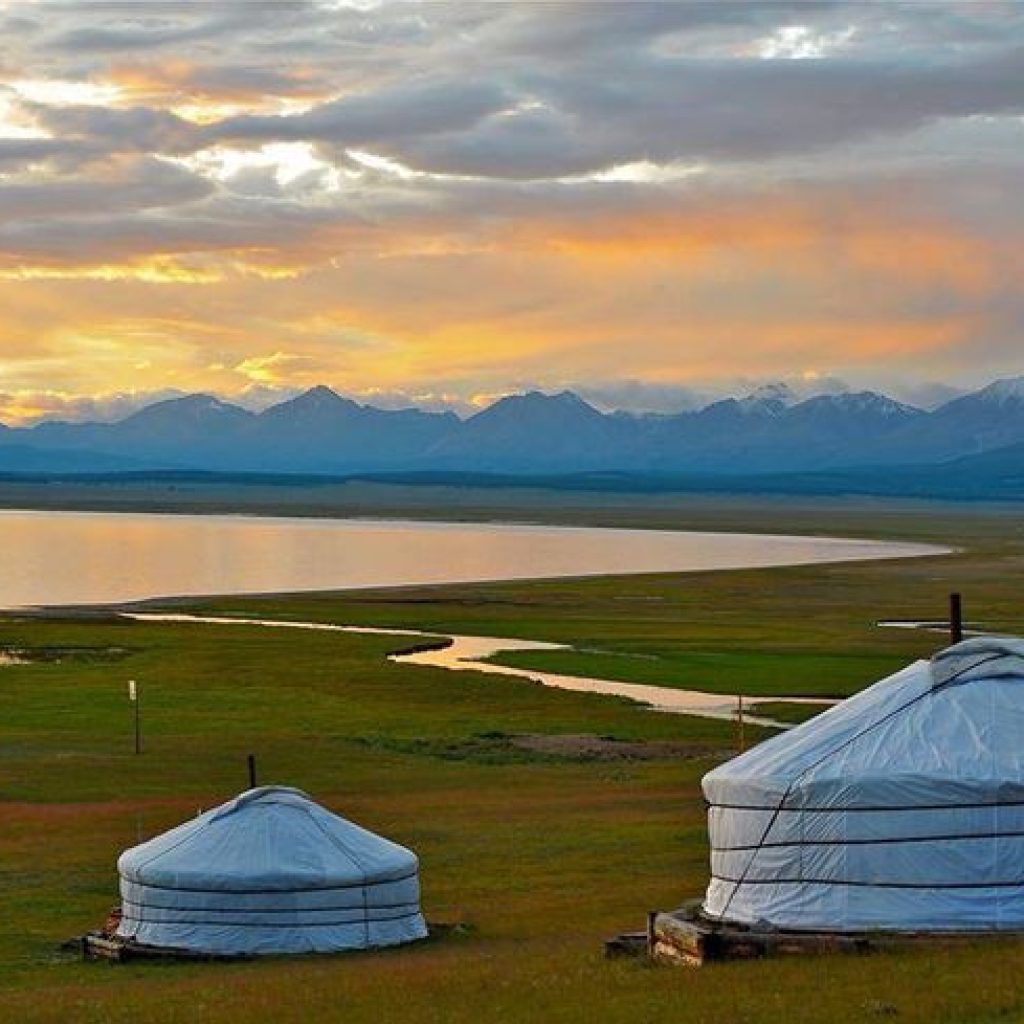
Far from the seas and surrounded by high mountains (up to 4,300 meters) that block moist winds, Mongolia has a continental climate—very dry, with large temperature variations depending on altitude and season.
Although Mongolia enjoys about 280 days of sun per year under a deep blue sky, the weather can be unstable, with sudden and intense thunderstorms, but always brief (temperatures can drop quickly from 30–35°C to 10–15°C during a short storm!).
The best period to visit is from May to October, with average daytime temperatures between 15°C and 25°C and average nighttime temperatures between 5°C and 15°C. Nighttime temperatures can sometimes drop below 0°C.
Packing Your Bag
Generally, airlines allow one checked bag per person weighing 20–23 kg for international flights (economy class). Soft luggage (bags or duffels) is strongly recommended because it fits better in 4×4 vehicles.
For domestic flights, the total allowed weight—including carry-on—is often limited to 15 kg, so check at the time of booking.
It is recommended to bring a soft bag rather than a hard suitcase (easier for porters and more practical in vehicles). Bring sweaters, a fleece or polar jacket, and a windbreaker or Gore-Tex jacket to handle rapid temperature changes, protect from the sun during the day, and keep warm at night. Sunscreen and sunglasses are essential due to strong sunlight. Also bring a rain jacket as a precaution.
Comfortable walking or hiking shoes are a must. A headlamp is very useful. You may also want to bring small gifts when visiting villages.
Electricity in Mongolia
The standard voltage is 220 volts. An adapter may sometimes be necessary, although it is generally provided. Check whether you need an adapter at http://www.priseselectriques.info/ or bring a universal adapter.
For nights in ger (yurt) camps, it is advisable to bring a flashlight or headlamp. Note: it is usually possible to charge cameras in most camps; sockets are generally provided in ger restaurants or common areas. However, electricity is rarely maintained after 10 PM when generators are turned off.
