
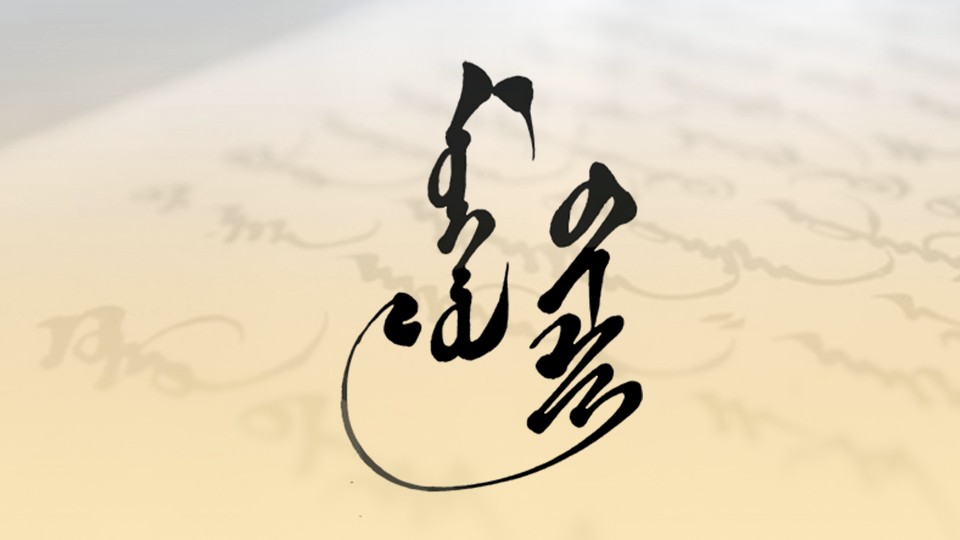
The writing culture of Mongolians is an integral part of the nation’s intellectual heritage, developed over many centuries. It is not only about the use of writing systems but also a broad concept closely connected with the development of history, state administration, religion, literature, and education.
Mongolians began using the traditional vertical Mongolian script in the 13th century, which was developed based on the Uyghur script. This script has a unique structure that reflects the phonetic characteristics of the Mongolian language. It is written vertically from top to bottom, with lines running from left to right, and it has been preserved and passed down to the present day.
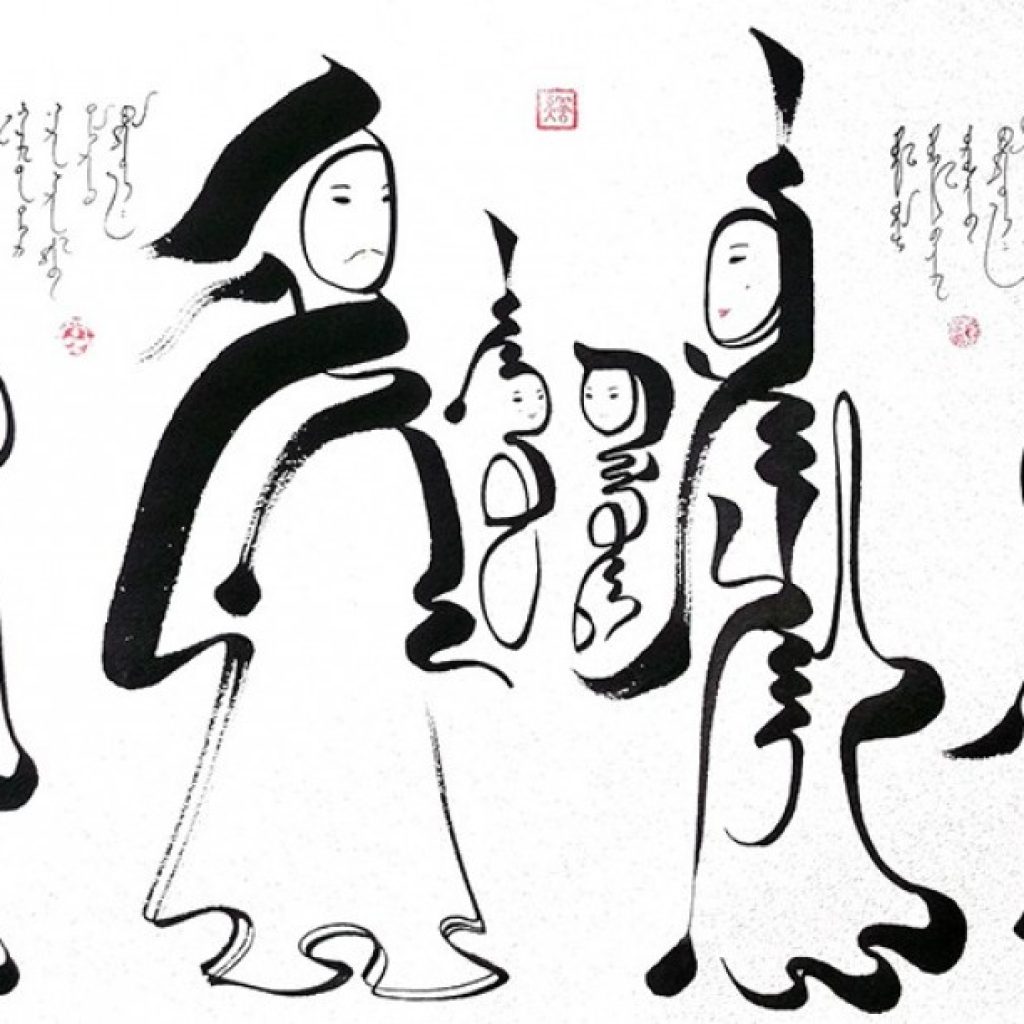
Throughout history, Mongolians have used several different writing systems, including:
- The ‘Phags-pa script (used as the official script during the Yuan Dynasty)
- Soyombo script (created in the 17th century by Zanabazar, containing symbolic meanings)
- Clear script (used by the Oirat Mongols, with more precise linguistic representation)
- Cyrillic script (widely used in modern times since the 20th century)
These writing systems emerged and developed according to the political, religious, and cultural needs of their respective eras, reflecting the richness and diversity of Mongolia’s written heritage.
Mongolian writing culture has also produced a vast literary heritage. Historical works such as The Secret History of the Mongols serve as important sources for studying the society, culture, and state organization of 13th-century Mongolia. In addition, Buddhist scriptures, historical records, and chronicles have greatly enriched the written tradition.
Writing has also played an important role in Mongolian state affairs. Official documents such as diplomatic correspondence, treaties, decrees, and orders were written and preserved, contributing significantly to the stability of the state.
In modern times, the Cyrillic script is widely used in Mongolia; however, efforts are being made to revive and promote the traditional Mongolian script. Schools and educational institutions actively teach it, and various cultural initiatives are being carried out to preserve it as a national heritage and introduce it to the public.
Thus, the writing culture of Mongolians has developed through many historical stages. It represents an important cultural heritage and a symbol of national identity and cultural resilience, which must be preserved and passed on to future generations.


Comment (0)