
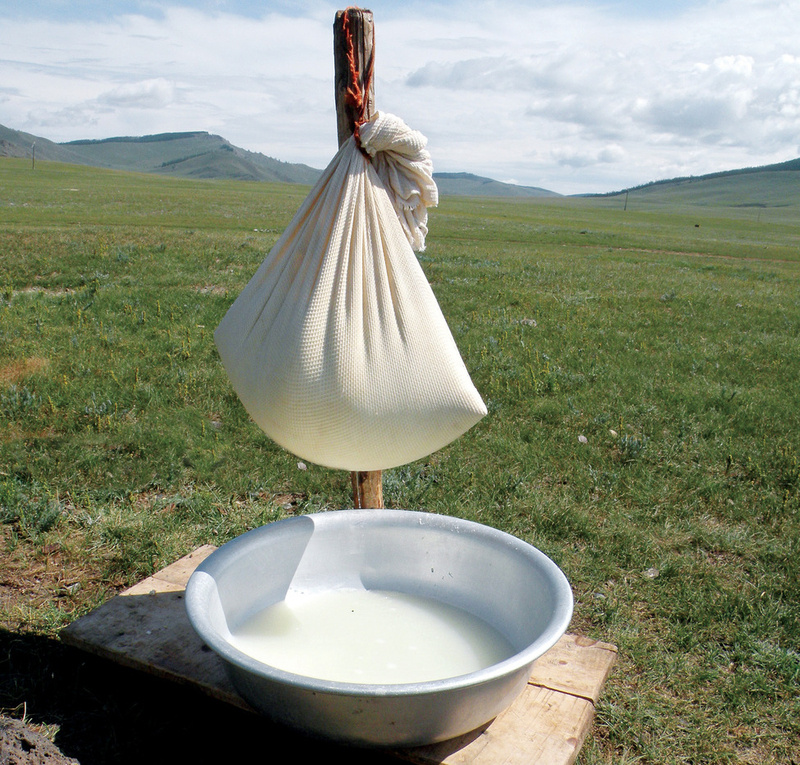
Mongolian traditional dairy products, known as “tsagaan idee” (white food), are an essential part of the nomadic culinary heritage. They are made from the milk of livestock and represent one of the most important elements of Mongolia’s traditional food culture. Mongolians regard dairy products as sacred food and traditionally offer them first to guests as a sign of respect and hospitality. This practice reflects the deep-rooted values of nomadic hospitality and cultural etiquette.
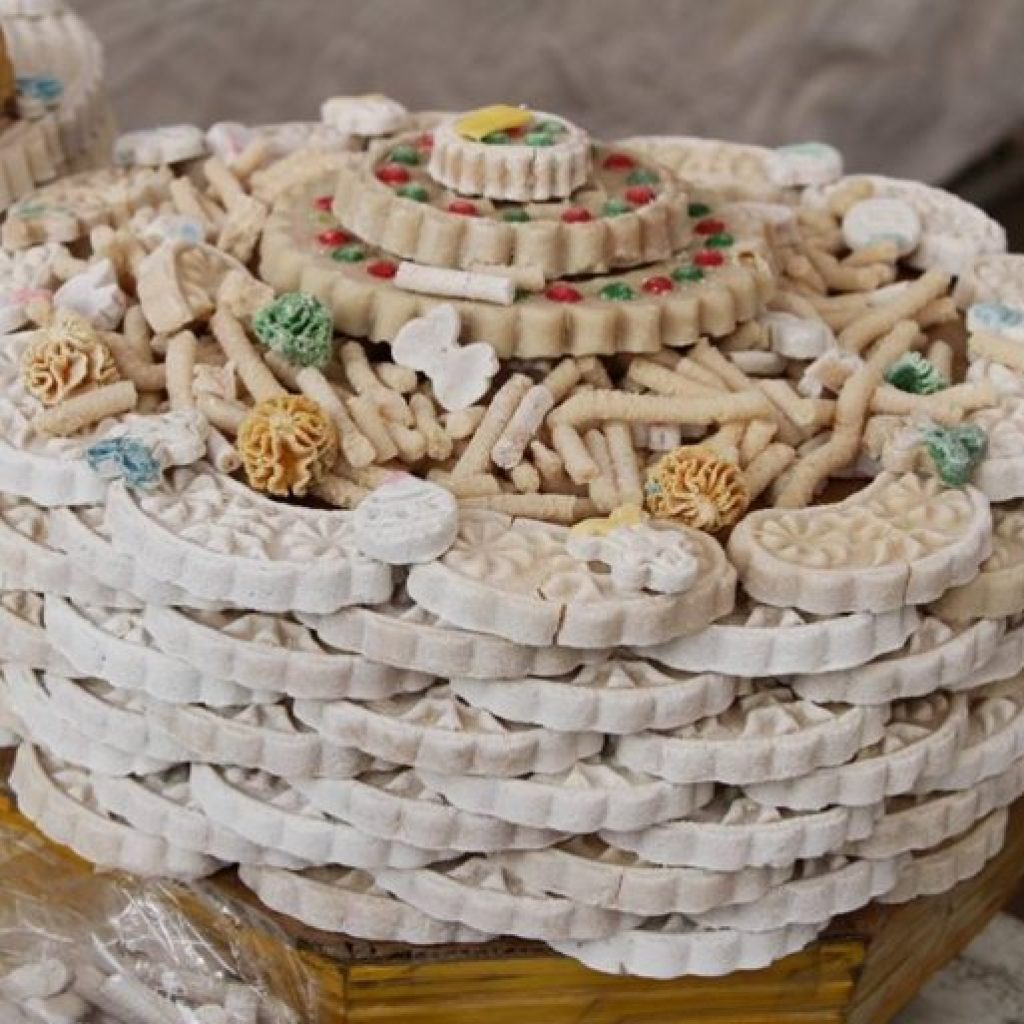
Dairy products are made from the milk of cattle, sheep, goats, horses, and camels, depending on regional characteristics and livestock availability. The most common products include airag (fermented mare’s milk), aaruul (dried curd), cheese, cream, and eezgii (dried curdled milk). These products are closely adapted to the nomadic lifestyle, especially in terms of long-term storage and portability.
In particular, hard dairy products such as aaruul and eezgii are essential for long journeys and winter food supplies, while airag is a traditional summer beverage widely consumed during the warmer months. Each product plays a specific role in the seasonal lifestyle of herders.
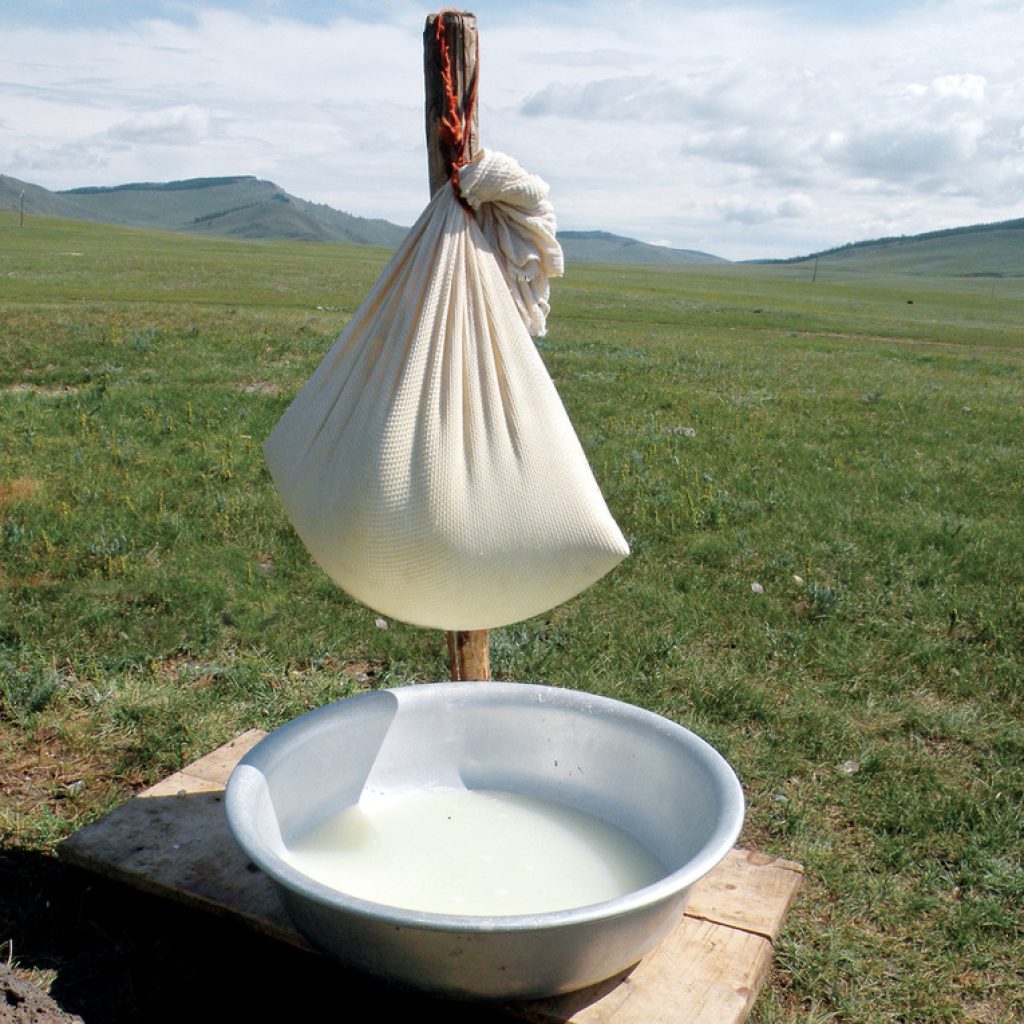
Beyond being food, dairy products reflect traditional livestock knowledge, a lifestyle closely connected with nature, and cultural values passed down through generations. They are deeply integrated into the daily life, seasonal movements, and social practices of Mongolian herders.
Today, Mongolian dairy products are not only an important part of national identity but also an increasingly significant element of tourism. They attract international visitors and are recognized as natural, organic foods with strong potential in global markets.


Comment (0)