

- News
- 06 Apr 2026
The Writing Culture of Mongolians
The writing culture of Mongolians is an integral part of the nation’s intellectual heritage, developed over many centuries. It is not only about the use of writing systems but also a broad concept closely connected with the development of history, state administration, religion, literature, and education. Mongolians began using the traditional vertical Mongolian script in […]
- News
- 06 Apr 2026
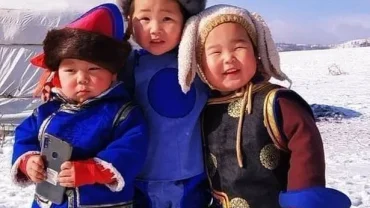
Traditional Mongolian National Clothing and Accessories
Traditional Mongolian clothing is a unique cultural heritage that has developed over centuries in close connection with the nomadic lifestyle, harsh climate, and livestock-based economy. It is not only everyday wear but also an important expression of culture, social identity, traditions, and aesthetics. The most common traditional garment is the deel, worn by men, women, […]
- News
- 06 Apr 2026
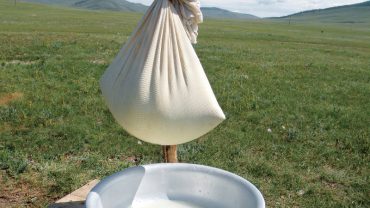
The Culture of Mongolian Dairy Products
Mongolian traditional dairy products, known as “tsagaan idee” (white food), are an essential part of the nomadic culinary heritage. They are made from the milk of livestock and represent one of the most important elements of Mongolia’s traditional food culture. Mongolians regard dairy products as sacred food and traditionally offer them first to guests as […]
- News
- 03 Apr 2026
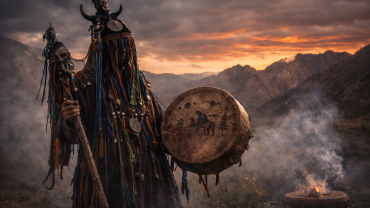
Shamanism is a practice that involves a practitioner reaching altered states of consciousness to interact with the world of spirits. The term “shamanism” was first applied by Western anthropologists as outside observers of the ancient religion of the Turks and Mongols, and those of the neighboring Tungstic- and Samoyedic-speaking people. Fundamental belief of shamanism is […]
- LATEST NEWS
- 31 Mar 2026
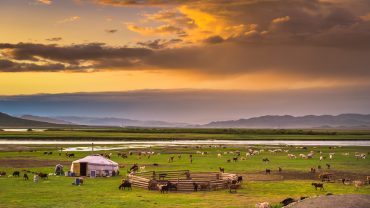
The Mongolian nomadic lifestyle is a traditional way of life based on mobile livestock herding and living in harmony with nature. It has been the main form of living in Mongolia for centuries and remains an important part of national culture today. Nomads move seasonally to find fresh pasture and water for their animals, usually […]
- News
- 31 Mar 2026
MONGOLIA NAMED ONE OF THE WORLD’S SAFEST TRAVEL DESTINATIONS
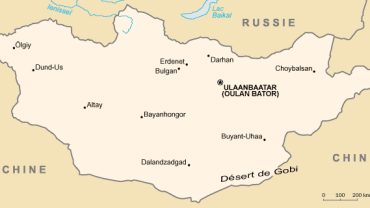
*MONGOLIA NAMED ONE OF THE WORLD’S SAFEST TRAVEL DESTINATIONS* The U.S. Department of State has released its updated global travel advisory. According to the report, geopolitical tensions have increased in many regions worldwide, with conflicts related to Iran raising travel risks in certain countries. Meanwhile, Mongolia has been classified as a safe destination for travel, […]
- News
- 12 Mar 2026
“Tourism Week 2026” National Conference to be Held
🔷 A national-level conference that brings together government agencies, private sector representatives, and international partners from Mongolia’s tourism industry will take place from March 9–15. 🔷 Last year, more than 1,000 participants from the sector attended the event. This year, keynote speakers from internationally recognized organizations such as The United Nations World Tourism Organization (UNWTO), […]

- News
- 23 Aug 2024
Yes and no. Mongolia is safe to visit, but like anywhere, you will have to take some precautions. Especially if you are spending time in nature, you will have to be careful about animals and wild weather. Most countries agree in their assessment that Mongolia is a safe place to visit. The United States places the country under […]
- News
- 22 Aug 2024
Guardians of the Steppes: The Mighty Mongolian Mastiff
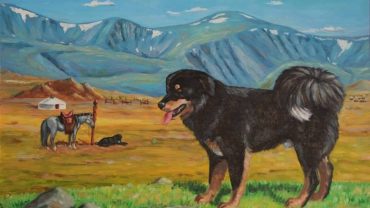
In the vast and rugged landscapes of Mongolia, a majestic guardian silently watches over its territory – the Mongolian Mastiff, a breed deeply ingrained in the country’s rich nomadic heritage. Renowned for its strength, loyalty, and distinctive appearance, the Mongolian Mastiff is a captivating breed that has become a symbol of protection and companionship in […]
- News
- 09 May 2024
Traditional Mongolian Foods To Know
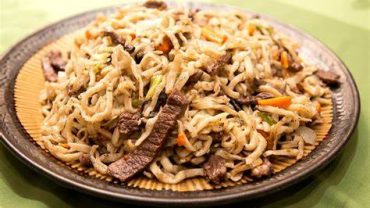
Mongolian food is unlike the cuisine of any other culture or country. Shaped by the largely barren geographic conditions of the region, and the predominantly nomadic way of life, food in Mongolia reflects the function-first approach that the land and culture demand. Meat and milk from livestock – in particular, the Five Snouts: horses, yaks, camels, goats, […]
